
TSI Silicone Thermal Pads and Environmental Footprint
TSI silicone thermal pads: A manufacturing process designed to reduce the environmental footprint
The environmental impact of thermal interface materials (TIMs) is becoming a selection criterion in its own right for users, just like thermal performance or regulatory compliance. For our TSI silicone thermal pads, this requirement is addressed directly at the manufacturing process level.
A disruptive manufacturing technology designed to reduce the energy footprint
TSI pads are produced using a manufacturing technology that we consider disruptive compared to more traditional processes on the market: it relies on a low-energy process designed to minimize the energy consumption required to produce the material. This approach reduces the product’s environmental impact right from the manufacturing stage, without relying solely on chemical formulation or logistical choices to limit the overall carbon footprint.
The wide-web process: high-speed production, a guarantee of competitiveness
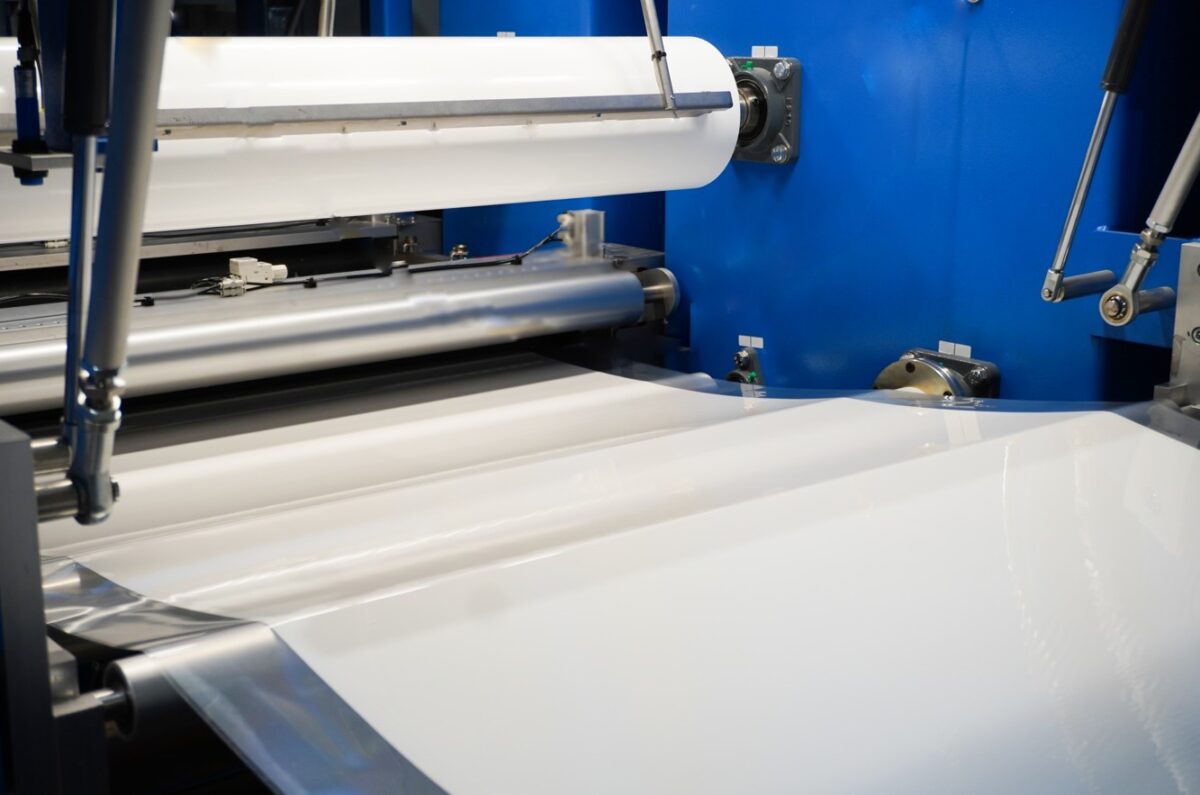
In addition, our TSI pads benefit from a wide-web manufacturing process, designed for high-volume production at high speeds. This industrial approach minimizes material waste and optimizes production yield compared to more fragmented processes, allowing us to remain competitive at high volumes while maintaining consistent quality from one production run to the next.
Silicone-free chemistry: less risk, less waste
Unlike many thermal pads on the market, TSI products are formulated without silicone oil. This absence of oil eliminates the risk of migration or bleeding of the material when it comes into contact with electronic components—a phenomenon that can both compromise the reliability of the finished product and lead to higher levels of outgassing over the product’s lifecycle. A silicone-oil-free formulation therefore limits the risk of contamination of production equipment, such as electronic circuit boards, and reduces the need for cleaning or premature replacement of contaminated parts.
A certified environmental approach
This approach is part of a structured environmental policy: Gergonne is ISO 14001 certified, the international standard for environmental management systems. This certification attests to our ongoing commitment to reducing the environmental impact of our production sites, beyond one-off choices regarding processes or formulations—a guarantee of consistency for manufacturers who incorporate CSR criteria into their supplier selection.
Performance that makes no compromises on technical requirements
This more streamlined manufacturing approach does not come at the expense of performance: TSI pads maintain excellent resistance to high temperatures (up to 200°C), high compressibility for maximum conformability even on uneven surfaces, and are available in several levels of thermal conductivity and hardness.
A consistent choice thanks to French production
This approach is part of a broader strategy: manufacturing TSI pads in France also helps reduce transportation distances compared to sourcing from farther away, an additional factor in the overall carbon footprint of the delivered product. Combined with lowenergy manufacturing technology and safer chemistry, this local production enables Gergonne to offer a high-performance thermal interface designed to minimize its environmental impact at every stage, from manufacturing to installation.
In summary
Reducing the environmental impact of a thermal interface is not limited to a single factor: it is the combination of low-energy manufacturing technology, silicone-free chemistry that minimizes the risk of contamination, and ISO 14001-certified production that enables TSI pads to combine technical performance with a consistent environmental approach. Combined with manufacturing in France, which minimizes transportation distances, this
approach offers manufacturers a reliable thermal interface without compromising on technical requirements or the environmental impact of the delivered product.
Would you like to learn more about the environmental impact of our thermal pads or evaluate how they can be integrated into your application? Contact the Gergonne teams to speak directly with our technical experts.
