
Ventilation membrane inside a vehicle
Where should a ventilation membrane be used in a vehicle? the case of the VM13 and VM15
A vehicle contains numerous electronic and electromechanical modules, which are often exposed to rain, road spray, and temperature fluctuations. Without ventilation, these modules are subject to pressure fluctuations that strain their seals and promote condensation. To address this need—common across a wide range of applications—Gergonne offers the VM13 and VM15 ventilation membranes in its GERGOVENT line.
VM13 and VM15: two performance profiles
The VM13 and VM15 share the same temperature range, from -40 °C to 150 °C, but differ in their ventilation and sealing performance.
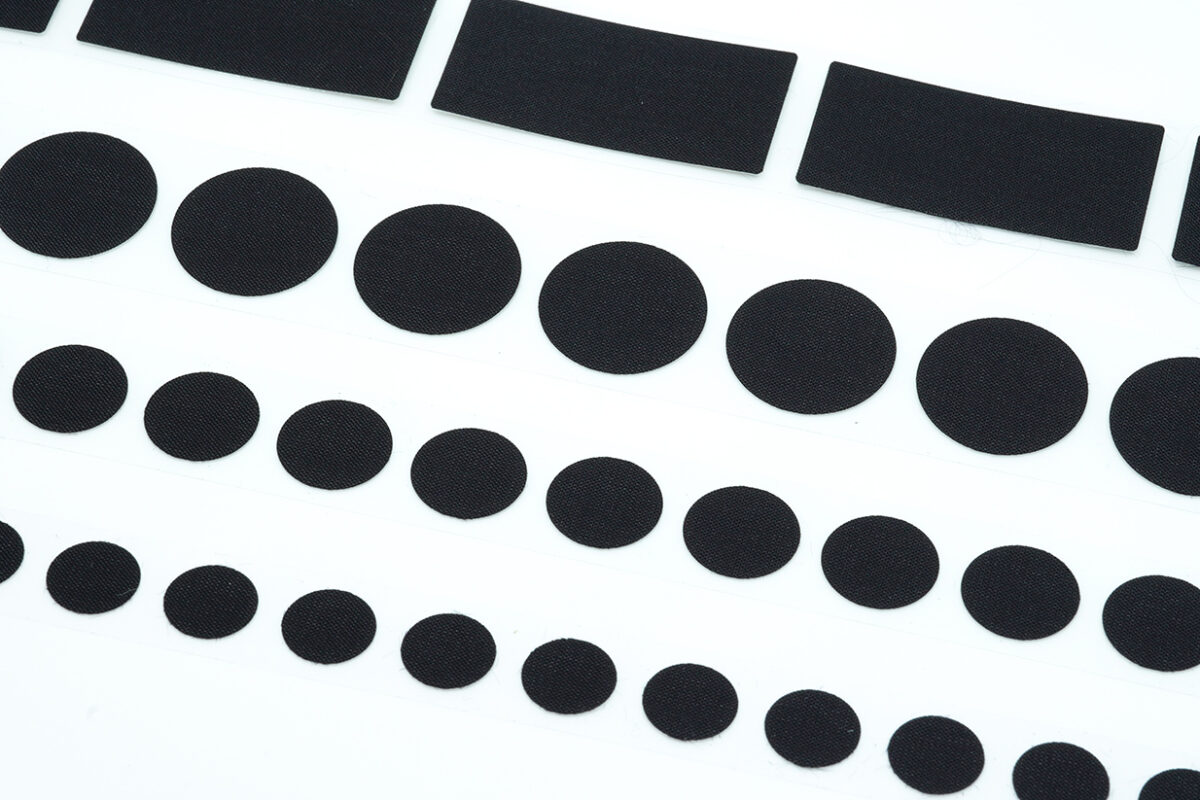
The VM13, black (part numbers VM13-RD01, RD02, RD03), offers an air flow rate greater than 250 ml/min/cm² at 70 mbar and a water intrusion pressure of 1 bar or higher for 30 seconds.
The VM15, yellow (part numbers VM15-RD01, RD02, RD03), offers an air flow rate greater than 500 ml/min/cm² at 70 mbar and a water intrusion pressure of 0.8 bar or higher.
These two membranes are used in lighting applications, ADAS systems, sensors, DC/DC converters, and windshield wiper motors.

Lighting Applications (automotive lighting)
A front or rear light is an enclosed housing that alternates between heating phases—when turned on or exposed to sunlight—and cooling phases—when turned off or exposed to rain. This cycle puts stress on the seals and can draw in moisture, causing the fogging observed on the headlight lens. A ventilation membrane balances the pressure, removes moisture, and prevents water, dust, and contaminants from entering, thereby limiting condensation and preserving the service life of the components.
ADAS systems and Sensors
Cameras, radar units, and other driver-assistance sensors are housed in compact enclosures, exposed to water spray and temperature fluctuations caused by the heat generated by the electronics and by external conditions. A ventilation membrane protects the enclosure’s waterproof seal and minimizes the risk of condensation, while fitting into a small space thanks to its slim profile.
Why use an adhesive membrane rather than a screw-mounted system?
An adhesive membrane bonds directly to the housing without drilling or mechanical inserts, simplifying integration into high-speed automotive production lines. Its ultra-thin profile is particularly well-suited for housings where space is limited, such as sensors or lights.
DC/DC Converters
A DC/DC converter generates heat during operation, which exacerbates pressure cycles within its housing. A suitable venting membrane absorbs these variations without compromising the waterproof seal of the power electronics, while dissipating some of the heat generated.
Windshield Wiper Motors
Located in a low, exposed area of the vehicle, windshield wiper motors are subject to moisture, water and salt spray, as well as vibrations. A ventilation membrane limits the entry of water and dust while balancing the pressure inside the motor housing, which contributes to the mechanism’s long-term reliability.
How do you choose between the VM13 and VM15?
The choice depends on the housing volume, the rate of temperature changes, and the level of exposure to water. The VM15 restores pressure balance more quickly, making it suitable for larger housings or rapid temperature changes. The VM13 offers a balance between ventilation and water resistance.
GERGOVENT adhesive membranes are certified APFO-free and are free of PFOA and dicyclohexyl phthalate.
Customized support
As a manufacturer and processor of technical adhesives, Gergonne can assist you from selecting the right product to integrating it into your enclosure.
Contact our teams to discuss your application and receive samples.
